
The short answer
Yes, CoolForce AC Repair serves Loyola, CA, about 13 miles northwest of San Jose in Santa Clara County. We handle AC and heating repair, heat pump, mini-split, AC and furnace installation, maintenance, duct cleaning and indoor air quality work.
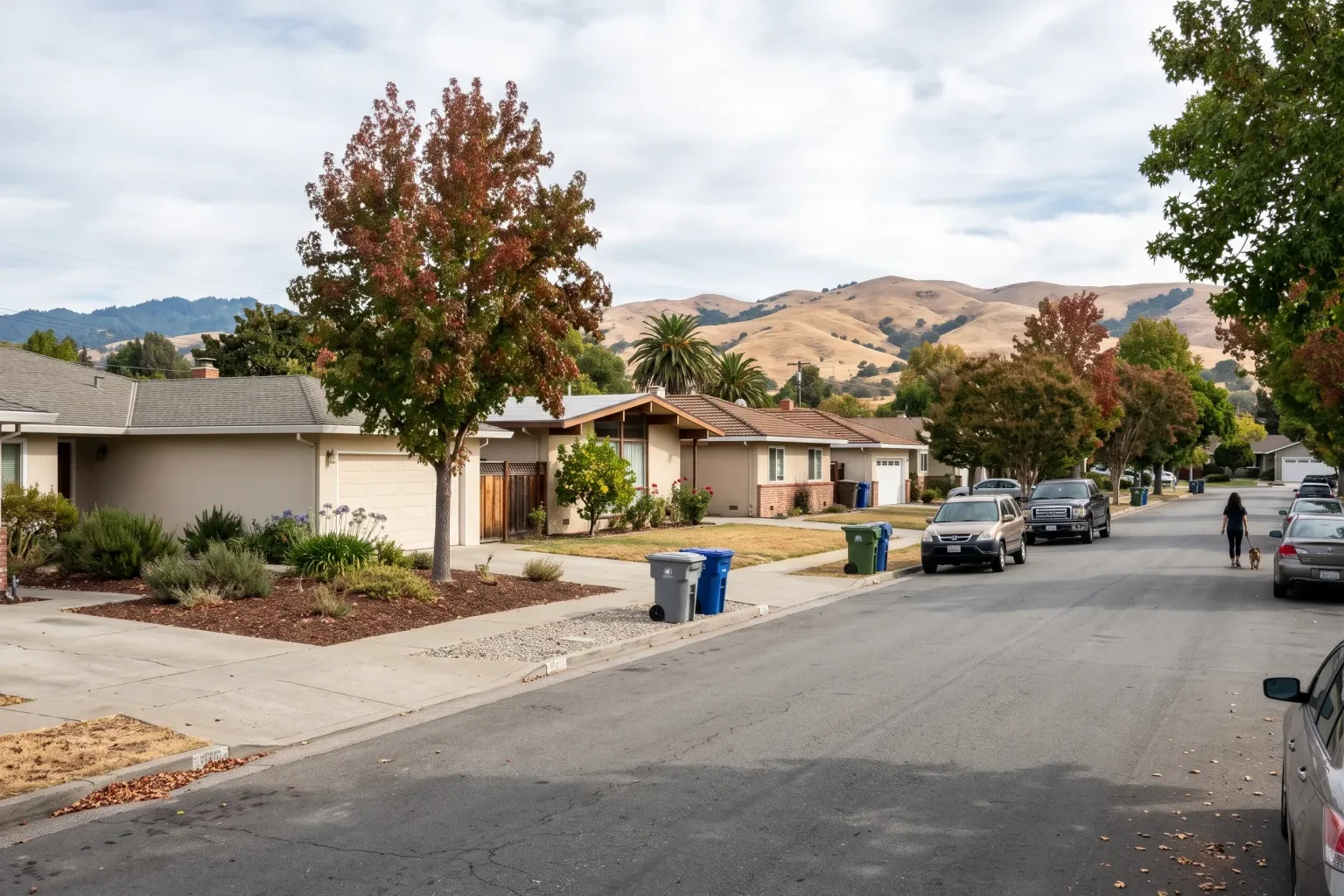
Loyola is an unincorporated community in Santa Clara County, about 13 miles northwest of our San Jose base. CoolForce AC Repair works on cooling, heating and indoor air systems for homeowners there, along with neighbors in Los Altos, Los Altos Hills, Mountain View, Cupertino and Sunnyvale. Whether your air conditioner quit on a warm afternoon, your furnace is short-cycling on a damp winter night, or you are weighing a switch to a heat pump, we can diagnose the problem, explain your options clearly, and do the work.
How the South Bay Climate Shapes Your HVAC Needs
The Santa Clara Valley has a Mediterranean climate: dry summers and mild, damp winters. That pattern puts a particular kind of load on home comfort systems. Air conditioners tend to run in long stretches during dry, warm spells, then sit unused for months. Heating systems see steady but moderate use through the cooler, wetter part of the year rather than months of hard, continuous running.
Summer heat varies across the valley. Inland and southern areas run noticeably hotter than communities closer to the Bay, so the right equipment size for one home is not automatically right for another a few miles away. When we size a new system or troubleshoot an old one in Loyola, we look at the house itself, including insulation, windows, sun exposure and ductwork, instead of relying on a rule of thumb.
Long idle periods are also why seasonal maintenance matters here. A system that has been off since spring can start the hot season with a weak capacitor, a clogged condensate line or a dirty coil that only shows up once it is under load.
Services We Offer in Loyola
We work on the full range of residential heating, cooling and air quality equipment. Common requests from Loyola homeowners include:
- AC repair for systems that blow warm air, freeze up, leak water or will not start
- Heating repair and furnace repair for no-heat calls, odd noises, short-cycling and ignition problems
- Heat pump installation for homes moving to all-electric heating and cooling
- AC installation and furnace installation when repair no longer makes sense
- Ductless mini-split installation for additions, converted garages and rooms without ductwork
- HVAC maintenance to catch small problems before peak season
- Duct cleaning and indoor air quality improvements, including filtration upgrades
Thinking About a Heat Pump? What Bay Area Rules Mean for You
Many Loyola homeowners ask whether they are required to replace their gas furnace. The short answer is no. The Bay Area Air District appliance rules do not require replacing working equipment; they apply only when an existing furnace or water heater fails or is replaced.
Looking further ahead, under Air District Rule 9-4, natural gas furnaces manufactured from 2029 must meet a zero-NOx emission standard. In practice, that points homeowners toward heat pumps when a furnace is replaced after that date. If your furnace is getting older, it can be worth planning now rather than deciding in a rush after a breakdown.
For water heaters, the zero-NOx date for small units under Rule 9-6 was set for 2027, but the Air District Board is considering amendments in November 2026 that could delay it. Check the current rule before planning a water heater replacement.
On incentives: the federal Energy Efficient Home Improvement Credit (25C) covered qualifying heat pumps placed in service before December 31, 2025, and it is not available for installations after that date. Bay Area homeowners can still check BayREN and their local clean energy provider for current heat pump and electrification incentives. Amounts and availability change by funding cycle, so we confirm the current offer before including it in any quote.
What to Expect When We Visit
We start by listening to what you have noticed, then inspect the equipment and test it under operation. You get a plain explanation of what is wrong, what fixing it involves, and whether repair or replacement makes more sense for your situation. We do not push replacement when a repair will do the job.
For installations, we walk through equipment options, sizing, and how a new system will fit your existing ductwork or electrical setup. That conversation matters especially for heat pump and mini-split projects, where electrical capacity and indoor unit placement affect both comfort and cost.